At sea
Tankers, cargo ships and cruise vessels: propulsion engines and onboard generators.
A CONNECTED FUEL JOURNEY
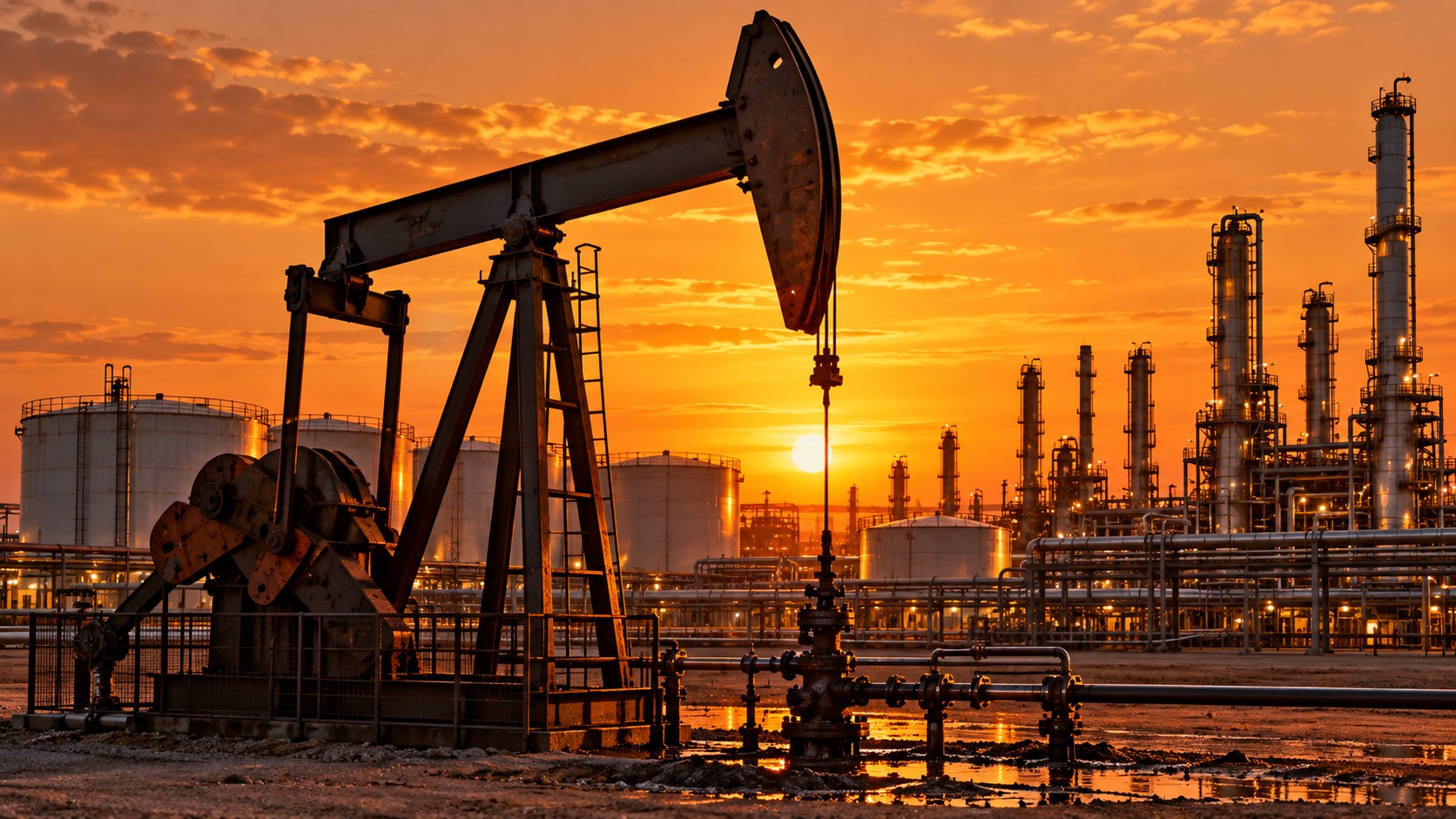
Neipclova’s stated Fuel Bar application experience begins with crude-oil handling and petroleum-plant operations, extending through fuel supply to marine propulsion, industrial power and road mobility.
Tankers, cargo ships and cruise vessels: propulsion engines and onboard generators.
Stationary engines and generators: fuel converted into useful mechanical and electrical output.
Gasoline and diesel vehicles: connecting fuel-use experience to Lite, Drive and King discussions.
Explore vehicle modelsFuel Bar application points and suitability are confirmed for each installation. Reported observations are not a guarantee of the same saving across this entire journey.
FUEL BAR / FROM PLANT TO PROPULSION
Follow the fuel journey from crude-oil handling and petroleum plants to the engines that move ships and cars.

PETROLEUM · MARITIME ENERGY · MOBILITY
Conceptual illustration of the application journey.
Tankers, cargo ships and cruise vessels use fuel for propulsion and onboard power. These are important application areas in Neipclova’s Fuel Bar experience.
Our team reports substantial fuel-saving observations in marine applications. We assess each case against its route, speed, load, sea conditions and delivered work before stating an application-specific result.
Fuel Bar is part of our experience-led approach to making better use of gasoline and diesel energy.
Neipclova’s team reports observations of improved energy efficiency in Fuel Bar applications. These observations guide further discussion and evaluation; they are not a promise that every vehicle, engine or generator will achieve the same result.
Identify the engine, its condition, operating pattern and fuel baseline before discussing a Fuel Bar application.
Assess duty cycle, load, service condition and fuel use under comparable conditions.
Compare fuel input with distance travelled or electrical output, rather than fuel consumption in isolation.
Product specification, suitability, installation method and test evidence should be reviewed for the intended equipment. This page does not specify an unverified operating mechanism or a fixed savings rate.
How energy connects across this field.
LET’S MAKE ENERGY WORK BETTER